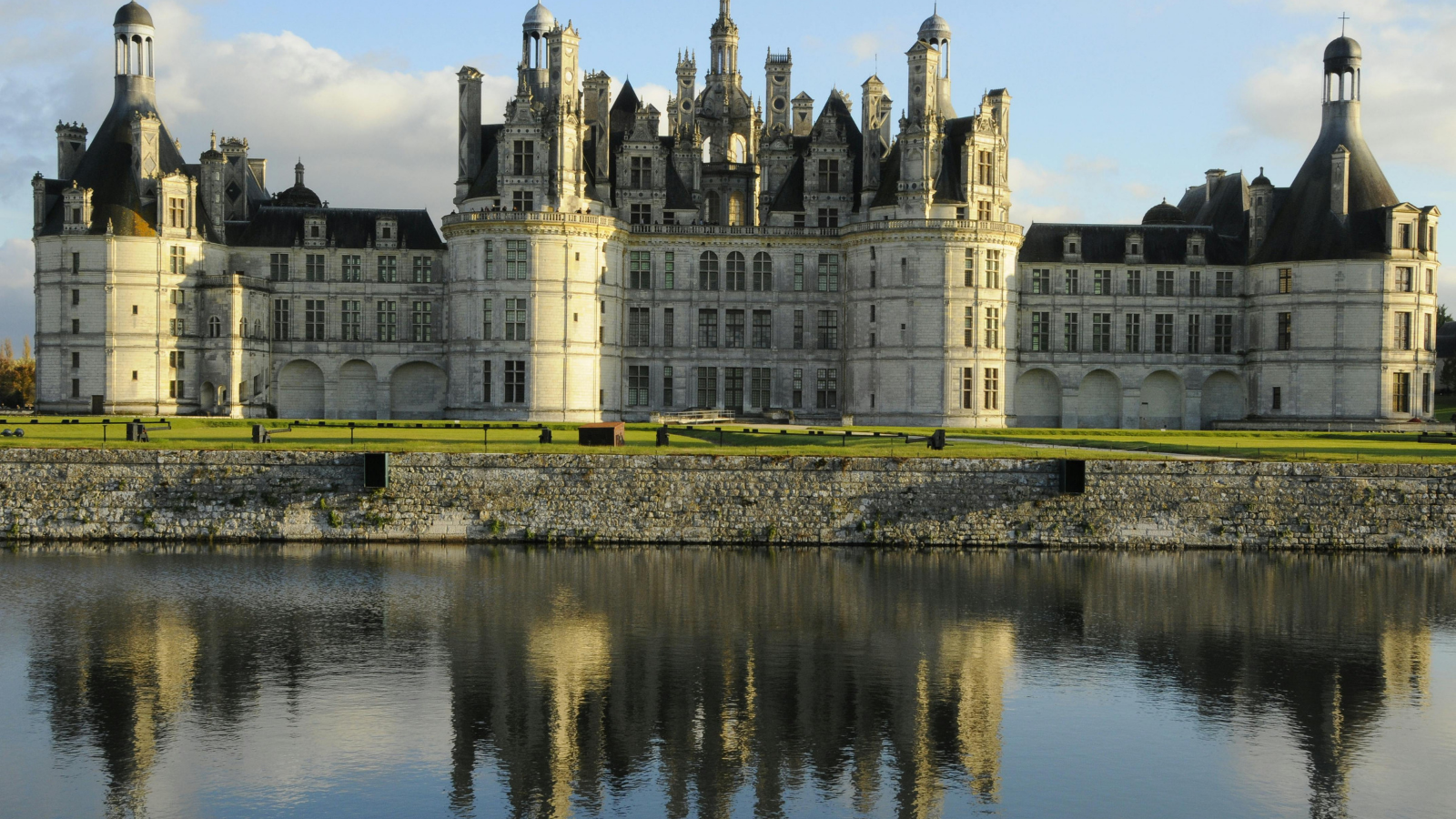
The historical-cultural significance of the Loire Valley
Since Tour de France 2027 is about to spend a few days around the most famous châteaus of the Loire Valley, here is a quick reminder of its historical-cultural significance.
The Loire Valley, in central France, holds a special place in European cultural history.
Known for its magnificent châteaux, royal residences, literary traditions, gardens and vineyards, it became one of the principal centres of the French Renaissance during the 15th and 16th centuries.
Its significance in the 16th century was particularly profound because it was a place where French royal power, Italian artistic influence, humanist learning and new ideas about architecture and nature came together.
The region was not simply a picturesque royal landscape. It was a setting in which France developed a distinctive Renaissance culture, transforming the ways its rulers expressed authority, its elites lived and displayed wealth, and its artists and writers understood the relationship between classical antiquity and contemporary society.
During the late Middle Ages, the Loire Valley became an important centre of royal activity. Its relatively mild climate, fertile agricultural land, navigable river and strategic position made it attractive to the French monarchy.
The Hundred Years’ War (1337–1453) had disrupted much of northern France, and the Loire region offered French kings a comparatively secure base from which to govern and organise their territories. Several royal residences and princely courts developed there.
The 16th century brought a major cultural transformation. Under kings such as Francis I of France (reigned 1515–1547), the monarchy increasingly embraced the artistic and intellectual ideals of the Italian Renaissance.
Francis I and his court encouraged architects, painters, sculptors and scholars, helping to establish Renaissance culture in France. Although royal attention gradually shifted towards Paris and the surrounding Île-de-France region, the Loire Valley retained an enduring importance as a landscape of royal memory and architectural innovation.
Stages of Tour de France 2027 expected to visit Loire Valley
Tour de France 2027 – Stage 7
According to velowire.com, the 7th stage of Tour de France 2027 on 9th July 2027 might be an individual time trial between Blois...Continue reading→
More Tour de France 2027 rumours and speculations

Tour de France 2027 rumours
This article is dedicated to the avaible informations regarding the Tour de France 2027 route and stages before the official route presentation. Grand...Continue reading→